Grasping the Gravity of Your Sin
Commentary
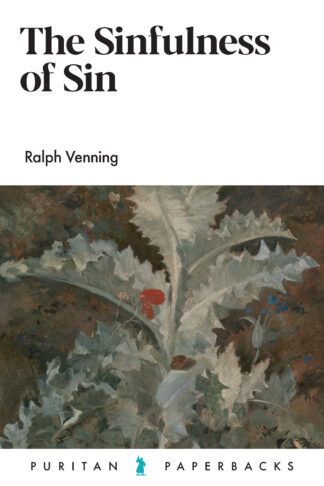
In 1665-66, London experienced the Great Plague in which over 15% of the population died. Can you imagine the hysteria that existed in the aftermath of such carnage? People were likely paranoid and fearful of a recurrence of the plague amongst them. It was in this setting that Venning published this book in 1669, first titled Sin, The Plague of Plagues. In it, he provides a comprehensive treatment of the doctrine of sin.
While Venning's treatment of the sinfulness of sin is quite thorough, three lessons from this book stood out as vital. First, after spending the first part of the book ensuring you understand what sin is and the seriousness of it, he points out the preciousness of the mercy inherent in the forgiveness of our sins. This is something we are quick to forget and ties closely with discontentment. I would venture to say that any time we find ourselves discontent or murmuring about the temporal situation we find ourselves in, we have forgotten the magnitude of the forgiveness we have been granted regarding our sin. If you think about this for one second, one cannot help but be overwhelmed with gratitude and joy drowning out any discontent or anxiety of the present world. Second, and this may be the most dangerous, is the approbation of sin in others. How often do you hear believers even speaking of sin in each other’s lives? Rarely. Instead, we downplay sin and provide excuses for it instead of affirming their conviction and need for repentance. This is evident by the tremendous lack of church discipline in American evangelicalism. We have become too afraid of confrontation. Finally, Venning argues that thought-sins are root-sins. In some churches, the mind and thought processes have been divorced from the idea of sin using the excuse of volition and action. The argument goes that it becomes sinful only when you put that thought into action. This is wrong in so many ways. Sin can and does occur in the mind. As a side note, Thomas Goodwin’s The Vanity of Thoughts provides a tremendous, biblical treatment of this notion. In fact, there are so many overlaps in this book with Goodwin’s work that it is hard to imagine Venning had not read his book which was published a little over 30 years prior. Imagine that Venning is giving the entire outline of sin whereas Goodwin zooms in on one faculty we use to sin.
Venning’s writing makes clear that we cannot understand or rightfully apply the doctrines of Justification and Sanctification until we know the true nature and character of sin. In our 21st Century Culture that celebrates a high view of man and a low view of sin, Venning's outstanding 17th Century words pierce straight to the heart. The final section of the book provides many encouragements, applications and exhortations from the realization of this doctrine. However, Venning's concluding exhortation stands out: "think much of the great day of your account and God's judgment ... I have entered into your closets and your hearts, to tell you of your secret sins ... Therefore, stand in awe and sin not."
Venning's book on sin is wonderful in a humbling way. Like most of the Puritan writings, it is rich with scriptural reference and deeply pastoral in intent. I would encourage all believers to find a place on your shelf for it but not before spending the time to read it slowly and fully grasping the gravity of sin in your own life.
Structure of the Book
The book is broken down into 4 sections:
What Sin Is
In which he succinctly defines sin
The Sinfulness of Sin
In which he shows how sin is contrary to everything God is and how it is contrary to everything that is good for man both here in this life and after
The Witness Against Sin
In which he presents witnesses to the severity of sin including God himself bearing witness against sin
The Application and Usefulness of the Doctrine of Sin’s Sinfulness
In which he provides the natural outflow from the recognition of the seriousness of sin and many exhortations
Five Key Quotes
"What a separation sin has made! When it robs man of God it robs him of all things, for all things are ours only so far as God is ours (1 Cor 3:21)."
"The greatness of Christ's sufferings is a full witness against the sinfulness of sin ... what a hell of wickedness that must be which none but God can expiate and purge!"
"Consider that no sin against a great God can be strictly a little sin."
"He who makes no conscience of little sins makes conscience of no sins."
"When sins are as it were the custom and fashion of the country, most will be sinners ... but as we should not be conformed to this world at large, neither should be to any part of it ... but be one of the mourners ... our chief care should be to please Him. We shall find that the best way to please all, or to displease any with least danger, is to please Him who is all in all (1 Peter 4:4) ... to join in communion with known sinners is the greatest testimony you can give, either that they are saints or that you are sinners; you bear a false witness for them and a true witness against yourselves (1 Cor 5:11)."
Recommended Complementary Reading
The Vanity of Thoughts by Thomas Goodwin
The Evil of Evils by Jeremiah Burroughs
Overcoming Sin and Temptation by John Owen
Where to Buy the Book
If you purchase the book through the following link, RTP gets a small percentage back which we will use to fund our operations. It’s costs nothing extra to you and you’ll be helping us connect the Puritans with Christ’s church worldwide.