Prayer: the Spirit and the Throne
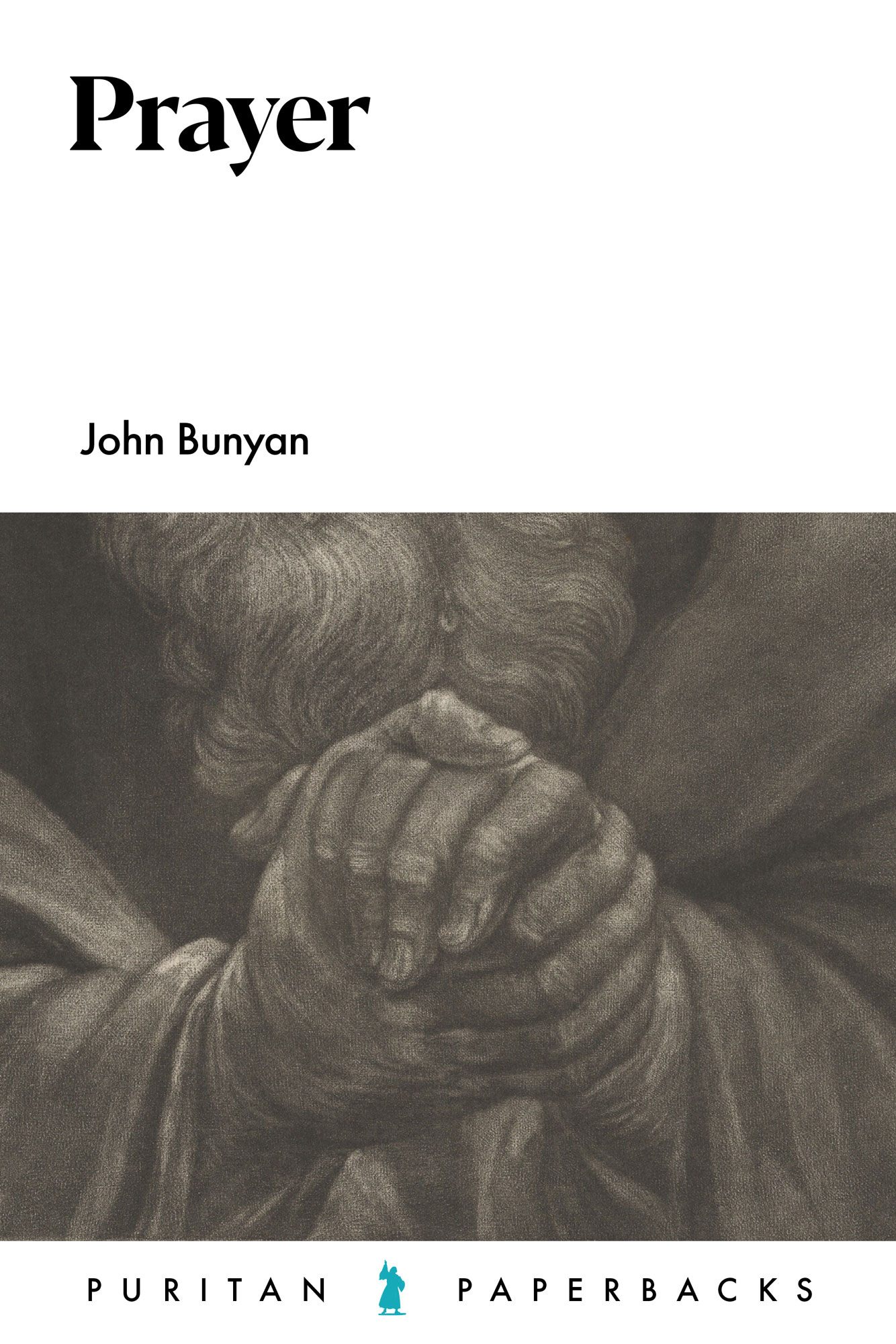
Commentary
Prayer is the “spiritual oxygen” of the Christian faith, the surest sign of a genuine spiritual pulse of the new man. Yet, when it comes to nearly every book written on the topic, the focus tends to be on one of two areas: either prayer’s necessity (the why) or prayer’s methodology (the how). Regarding the later point, books like Donald Whitney’s “Praying the Bible” and Dietrich Bonhoeffer’s “Psalms: The Prayer Book of the Bible” are excellent tools for teaching us how to pray by using God’s word as a springboard to speak God’s word back to Him. Meanwhile, books like Jason Allen’s “Spurgeon on the Priority of Prayer” and Thomas Brooks’ “The Secret Key to Heaven” speak to the priority and essential nature of prayer, the why. Yet, when it comes to John Bunyan’s book on prayer, he does something that sets it apart from every other book on the subject.
While Bunyan does touch on the why and how, he moves beyond the tactical level and takes us to the grand strategic role of the two most crucial while often neglected aspects of prayer: the role of the Holy Spirit and the Son. As an aside, this is one of the key distinctives which sets the Puritans apart. Even in a doctrine as personal and practical as prayer, Bunyan takes the focus away from us and onto the Trinitarian roles of the Holy Spirit and the Son to the ultimate praise and glory of His grace. While most will pick up this book with the intention of enhancing one’s prayer life or to learn about this discipline, all will walk away with a higher view of the Trinity that leads to an elevation of praise and worship to Him. And surprisingly, this elevated view of God will simultaneously enhance and transform one’s prayer life.
The first section of Bunyan’s book anchored in 1 Cor. 14:15 is entitled “Praying in the Spirit.” After defining what prayer is, Bunyan wastes no time declaring that without the Holy Spirit, men cannot “think one right saving thought of God” and hence, “the prayer that goes to heaven is the one that is sent thither in the strength of the Spirit.” Simply put, no Holy Spirit, no prayer. How many of us can echo what Bunyan writes regarding the challenge of prayer when it comes to our carnal, prone to wander minds: “It is the easiest thing of a hundred to fall from the power to the form, but it is the hardest thing of many to keep in the life, spirit, and power of any one duty, especially prayer; that is such a work, that a man without the help of the Spirit cannot so much as pray once.” Just as we often approach God’s word without the awareness of the Spirit’s role in illuminating and convicting our hearts, we frequently cast up our prayers without any thoughts toward the Spirit. Bunyan argues that even one word spoken in the strength of the Spirit, is better than a thousand prayers. In fact, he goes one step further and states that wordless prayers when carried by the Spirit hold more weight than the most beautiful “Valley of Vision” prayers: “The best prayers have often more groans than words … it is not your words that God so much regards … His eye is on the brokenness of your heart … when the mouth is hindered, yet the spirit is not.” In humility, we need to be constantly reminded that prayer is enabled and wielded by the power of the Holy Spirit. To forget this reality is to not only deny its power, but to dishonor the third person of the Trinity.
The second half of Bunyan’s book, grounded in Heb. 4:16, is entitled “The Throne of Grace,” and this is where he unlocks some of the finest wines in this biblical doctrine of prayer. Bunyan argues that while we almost daily remember what Christ has done at the cross, we almost always neglect what Christ is currently “a-doing now” before the throne of grace. He writes: “Study the priesthood … both the first and second part thereof. The first part was that when he offered up Himself … bore our sins in His own body on the tree. The second part is that which He executes there whither He is now gone, even in heaven itself, where the throne of grace is. I say, study what Christ has done, and is a-doing. O! what is He a-doing now?”
How marvelous to realize that when the Holy Spirit carries our broken prayers to the throne, those prayers are greeted by Christ who is sitting upon a throne of grace. Bunyan is quick to highlight the significance of this seated posture: “For a seat is a place of rest, yea is prepared for that end, and mercy is here called that seat, to show that whatever work is on the wheel in the world, let it be never so dreadful and amazing, yet to God’s church it shall end in mercy, for that is God’s resting place.” What a load of anxiety and care which would fall off our shoulders if we were to daily meditate on this reality. I love this implication by Bunyan when it comes to our battle with sin: “Sin seeks for the dominion, and grace seeks for the dominion; but sin shall not rule, because it has no throne in the church among the godly. Grace is king.” Echoing Thomas Goodwin’s thesis from “The Heart of Christ,” Bunyan concludes that this “throne of grace is the humanity, or heart and soul of Jesus Christ, in which God sits and rests for ever in love toward them that believe in Him.” Hence, may we not merely worship Christ for what He has done for us, but what He is continually doing as he greets our Holy Spirit carried prayers while sitting on the throne of grace. How could we not eagerly desire to daily approach such a throne in prayer?
Structure of the Book
The first half of the book focuses on the role of the Holy Spirit in prayer while the second half focuses on the role of the Son.
Praying in the Spirit
What True Prayer Is
What It Is to Pray with the Spirit
What It Is to Pray with the Spirit and with the Understanding
Queries and Objections Answered
Use and Application
The Conclusion
The Throne of Grace
God Has More Thrones than One
The Godly Can Distinguish One Throne from Another
The Persons Intended by the Exhortation ‘Let Us Come’
How We Are to Approach the Throne of Grace
Motives for Coming Boldly to the Throne of Grace
Conclusion
Five Key Quotes
"Prayer is a sincere, sensible, affectionate pouring out of the heart or soul to God, through Christ, in the strength and assistance of the Holy Spirit, for such things as God has promised, or according to His word, for the good of the church, with submission in faith to the will of God."
"O the starting-holes that the heart has in the time of prayer! None knows how many by-ways the heart has, and back-lanes, to slip away from the presence of God."
"For mark, I beseech you, there are two things that provoke to prayer ... one is a detestation of sin ... the other is a longing desire after communion with God ... Compare but this one thing with most of the prayers that are made by men, and you shall find them but mock prayers."
“Every day has a sufficiency of evil in it to destroy the best saint that breathes, were it not for the grace of God.”
"Faith is sometimes in a calm, sometimes up, and sometimes down, and sometimes at it with sin, death, and the devil; as we say, in blood up to the ears. Faith now has but little time to speak peace to the conscience; it is now struggling for life, it is now fighting with angels, with infernals; all it can do now, is to cry, groan, sweat, fear, fight, and gasp for life."
Recommended Complementary Reading
The Secret Key to Heaven by Thomas Brooks
A Guide to Prayer by Isaac Watts
The Valley of Vision: A Collection of Puritan Prayers & Devotions by Arthur Bennett
Where to Buy the Book
If you purchase the book through the following link, RTP gets a small percentage back which we will use to fund our operations. It’s costs nothing extra to you and you’ll be helping us connect the Puritans with Christ’s church worldwide.