Meditating on God’s Goodness
Commentary
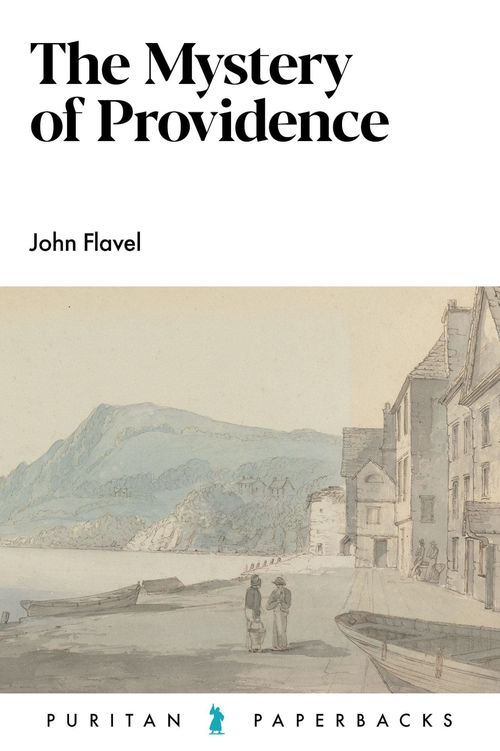
The Mystery of Providence is #4 in the Puritan Paperbacks series published by Banner of Truth and resides firmly in our list of “Top 10 Must Read Puritan Books.”
My fellow co-founder at Read the Puritans once said “this may be my favorite Puritan Paperback” and that he found himself “underlining entire pages.” That should tell you a bit about the deep wells of edification flowing from the pages of this book.
As I read the book myself, four things struck me.
First, God’s providence is closely tied to His sovereignty. Many in the reformed faith, myself included, lean heavily on God’s sovereignty. However, providence takes this a step further. It is sovereignty in action. We believe not only in a God that is able to do as He pleases but who actually cares enough about us that He acts even in the minutest details.
This brings us to the second thing which is that providence is something to be pondered and remembered. Flavel reminds the reader many times to record the instances of providence in your life and to recall them in meditations. If we are not diligent in watching, we will likely miss the many things God does to provide for us. The benefits of noticing are enormous and our neglect shameful. He even calls down the original readers of his book that couldn’t find the time to do so. “O, is your life such a continued throng, such a mad hurry, that there is no time for Christians to sit alone and think on these things, and press these marvelous manifestations of God in his providences upon their own hearts?” (p. 190) If he saw Christians as leading lives that were too busy and pushing God to the margins in 1678, imagine what he would think of today’s Christians in the Western world that can’t seem to make it to church on time.
Third, our reactions to providence in our lives, especially in difficult times, are inseparable from contentment. We are quick to question God when He tarries in the midst of our afflictions. Instead of drawing on the history of God’s providence in sustaining our very lives for encouragement we recoil from Him. Flavel defines providence as “the performance of God’s gracious purposes and promises to His people.” It’s interesting how we refer to providence only when we view something as a positive experience. Flavel’s pastoral heart shines through in this when he expands on this idea and ties it to discontentment. He says, “Mortify your inordinate affections to earthly things. This makes providences that deprive and cross us so heavy. Mortify your opinion and affection, and you will lighten your affliction. It is strong affection that makes strong affliction.” (p. 150) He also reminds us that God, in His omniscience, knows better than we do. “Providence is wiser than you, and you may be confident it has suited all things better to your eternal good than you could do had you been left to your own option.” (p. 83) We get cross with God when we don’t see our prayers as being answered because we think we know better and we are angry because our ties to earthly things have been diminished.
Finally, if John Piper had read this short 257 page treatment of providence, he could have saved us from the 700+ page tome that now holds down a shelf in my office. Don’t get me wrong, Piper’s book was great and it looks beautiful on my shelf. If I ever need something to anchor my house in a hurricane or to barricade a door, I’m all set. But, Flavel struck straight to the heart of the matter and I’ll return to his book. I recommend you do so as well.
Structure of the Book
The book is structured in 13 chapters divided into 3 parts:
The Evidence of Providence
Meditation on the Providence of God
Application of the Doctrine of Providence
Five Key Quotes
“O, is your life such a continued throng, such a mad hurry, that there is no time for Christians to sit alone and think on these things, and press these marvelous manifestations of God in his providences upon their own hearts?”
“Providence is wiser than you, and you may be confident it has suited all things better to your eternal good than you could do had you been left to your own option.”
"Providence neither does nor can do anything that is really against the true interest and good of the saints."
"In nothing does Providence shine forth more gloriously in this world than in ordering the occasions, instruments, and means of conversion of the people of God."
"In all the sad and afflictive providences that befall you, eye God as the author and orderer of them also ... set before you the sovereignty of God. Eye Him as a Being infinitely superior to you, at whose pleasure you and all you have subsist (Ps. 115:3), which is the most conclusive reason and argument for submission (Ps. 46:10) ... set the faithfulness of the Lord before you under the saddest providences."
Recommended Complementary Reading
All Things for Good by Thomas Watson
Providence Handled Practically by Obadiah Sedgwick
Facing Grief by John Flavel
A Practical Discourse of God’s Sovereignty by Elisha Coles
Divine Providence: A Classic Work for Modern Readers by Stephen Charnock
Where to Buy the Book
If you purchase the book through the following link, RTP gets a small percentage back which we will use to fund our operations. It’s costs nothing extra to you and you’ll be helping us connect the Puritans with Christ’s church worldwide.